BRECHT: 70 YEARS AFTER HIS DEATH
by Eva Brenner
And the shark, it has teeth…
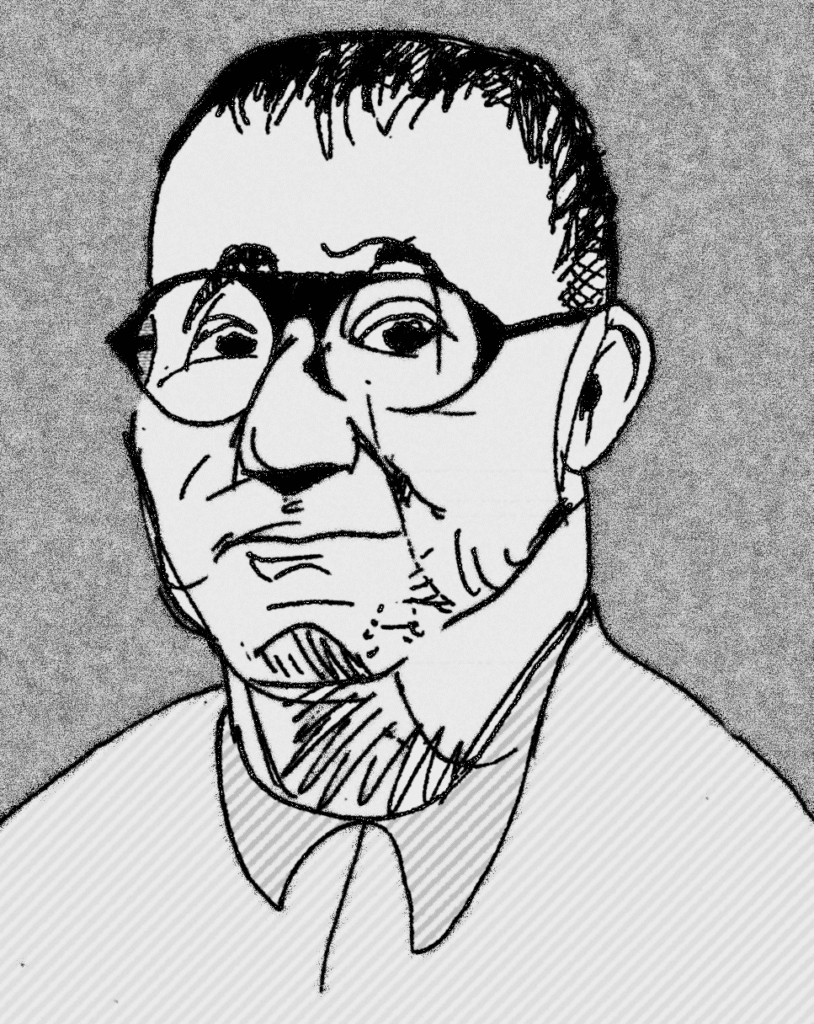
In 2026, the 70th anniversary of the death of Bertolt Brecht (1898–1956), the most important German-language playwright and director, is being marked by a series of new productions. They signal a renewed interest in his profoundly political theatre after decades of relative quiet.
Brecht made his breakthrough in Berlin, where he studied Marxist theory and developed epic, or dialectical, theatre, with The Threepenny Opera (1928) becoming his most frequently performed work. In place of the tragic individual destinies of bourgeois illusionist theatre, epic theatre uses the techniques of the alienation effect – songs, commentary and visual signs inserted into the action – to bring social conflicts such as war, revolution, economics and social injustice to the stage. Its aim is to challenge spectators to become co-producers in the transformation of society.
Brecht fled Nazi Germany in 1933, travelling via Prague, Vienna, Zurich and several Scandinavian countries before reaching the United States in 1941. After being interrogated by the House Un-American Activities Committee in 1947, he returned to Europe and, together with his wife Helene Weigel, founded the legendary Berliner Ensemble in East Berlin, in the GDR.
“And the shark, it has teeth…” – so begins the famous song from The Threepenny Opera. Amid Kurt Weill’s jaunty music and the work’s humorous, fast-paced style, its critical substance is easily overlooked: a satirical indictment of the criminal conduct of capitalists, large and small, who in times of crisis resort to illegal means to preserve their power. The parallels with our own time are striking. Born of the economic crisis at the end of the Weimar Republic, the play reflects the gulf between rich and poor, the loss of social cohesion and the erosion of democratic principles. Like Brecht’s Mackie Messer, a figure from the criminal underworld, they seize key positions in the state, rule through terror and violence – and nevertheless continue to gain in popularity.
Where Brecht’s wrongdoer ultimately meets his downfall, contemporary actors remain firmly seated at the levers of international capital: they manipulate elections, discriminate against outsiders and instigate illegal wars. Although The Threepenny Opera remains one of Brecht’s most frequently performed works, its political message is often lost amid the wildly exuberant action on stage. Yet its warning could hardly be more urgent: those who fail to resist the erosion of democracy before it is too late have already lost.